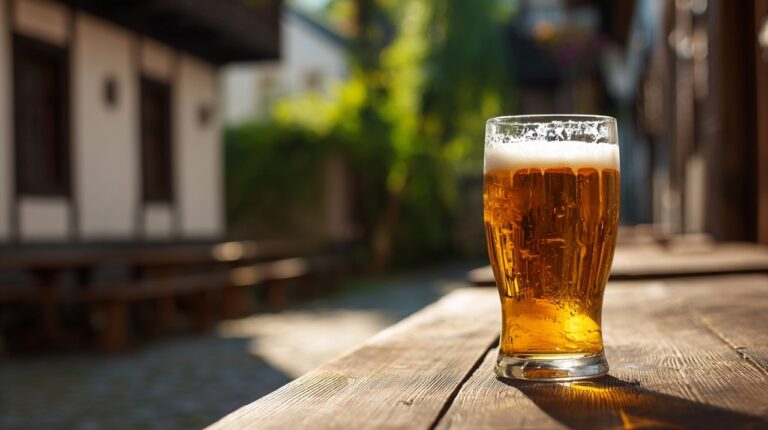
Germany offers far more than just famous beer, with every German drink reflecting regional traditions, seasonal celebrations, and everyday social life.
Beer gardens in Bavaria, historic pubs in Düsseldorf, bustling Christmas markets, and casual cafés all serve beverages that locals enjoy year-round.
Classic wheat beers, malty ales, warm spiced wine, refreshing spritzers, citrus mixes, herbal liqueurs, and dessert-style cocktails each play an important role in German culture.
Trying these options provides a flavorful way to experience some of the country’s most beloved drinks.
Without further ado, let us talk about these german drinks in greater detail.
1. Weißbier (Hefeweizen)
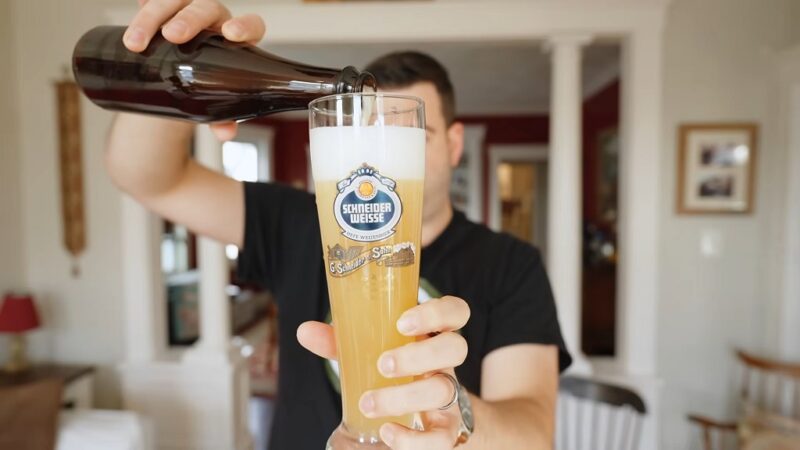
Weißbier, often called Hefeweizen, remains one of Bavaria’s best-known beer styles and a classic German drink enjoyed across the region.
Popularity comes from its smooth texture, refreshing qualities, and recognizable aroma that sets it apart from other beers.
Cloudy appearance develops because yeast stays in the beer rather than being fully filtered out, giving it a soft mouthfeel and a naturally creamy character.
Banana and clove flavors form through top-fermenting yeast, creating a taste profile that feels bright, aromatic, and slightly fruity. Many beer lovers appreciate how Weißbier offers complexity without being heavy, making it a perfect choice for relaxed afternoons or social gatherings.
Flavor and style variations make Weißbier even more interesting for anyone wanting to experience different expressions of the same beer.
Options worth seeking out include:
- Weizenstarkbier, offering a stronger version with higher alcohol content
- Dunkelweizen brings a darker color and roasted wheat notes
Bavaria, especially Munich, provides endless chances to enjoy Weißbier in lively beer gardens where locals gather throughout the year. Warm weather afternoons often call for a tall glass served cold, while colder months still keep the tradition alive indoors in cozy beer halls.
Southern Germany continues to celebrate Weißbier as a staple German drink tied closely to Bavarian identity and hospitality.
2. Altbier (Düsseldorf)
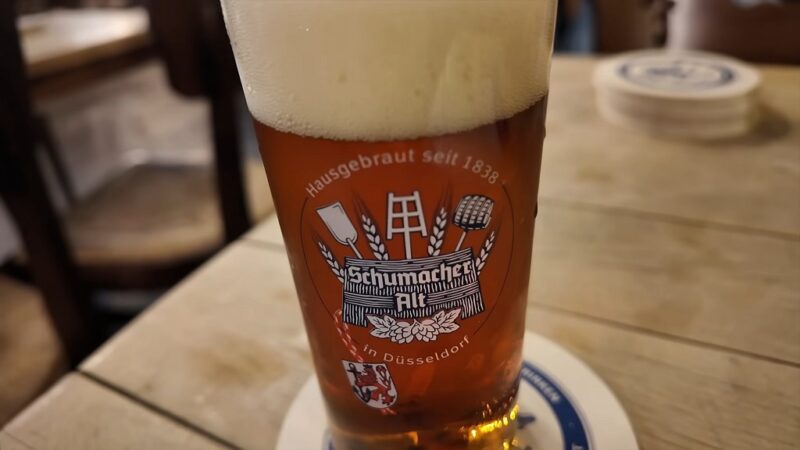
Altbier represents Düsseldorf’s proud brewing tradition and remains a defining German drink of the city. Top-fermented ale delivers a smooth malt-forward taste with subtle bitterness, creating a balanced flavor that appeals to both casual drinkers and dedicated beer enthusiasts.
Amber to copper color adds to its classic look, while the brewing method reflects traditions kept alive in Düsseldorf for centuries.
Serving style plays a major role in the Altbier experience. Altbier arrives in small 0.2-liter glasses rather than large pints, encouraging drinkers to enjoy it fresh in multiple rounds.
Social atmosphere in Düsseldorf pubs often revolves around servers constantly bringing refills until guests signal they have finished.
Ordering multiple glasses becomes part of the local ritual, and the serving tradition keeps the beer consistently fresh and cold:
- Small pours encourage frequent refills
- Cold temperature stays consistent with each new glass
Düsseldorf’s Altstadt once hosted nearly 100 breweries, shaping the city’s reputation as an important historical hub for Altbier.
Old-style pubs offer the most authentic environment, where locals still enjoy this German drink as much as they have for generations, surrounded by the city’s brewing heritage.
3. Glühwein (Mulled Wine)
Glühwein remains one of Germany’s most recognizable winter drinks and a seasonal German drink tied closely to Christmas markets. Warm spiced wine fills mugs during cold evenings, creating comfort as people gather under festive lights and decorated stalls.
The sweetness of the wine pairs perfectly with spices, making it one of the most loved holiday traditions.
Cinnamon, cloves, and citrus notes define the flavor, giving Glühwein its signature character that feels both warming and celebratory. Many visitors associate the scent of Glühwein with winter markets, where steaming cups help fight the chill.
Extra additions often take the drink to another level, and many market stands offer enhancements such as:
- Amaretto for a sweeter almond warmth
- Spiced rum for a stronger winter kick
Winter celebrations across Germany often feel incomplete without Glühwein. Crowds at outdoor stalls continue to enjoy it as both a comforting beverage and a tradition that brings communities together each year.
4. Apfelschorle (Apple Spritzer)
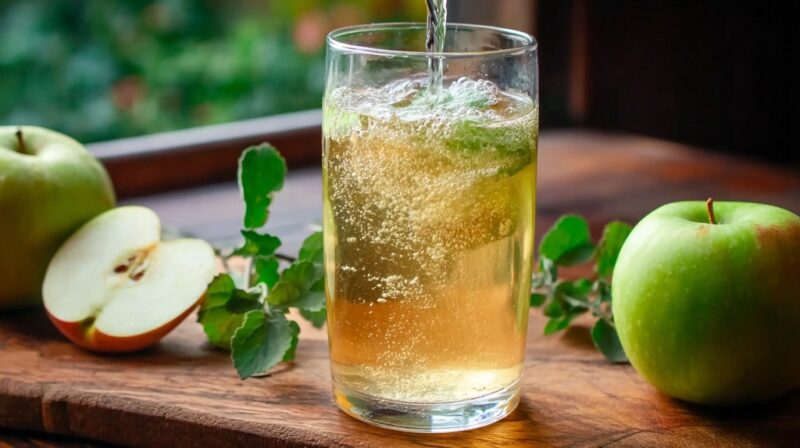
Apfelschorle provides one of the most popular non-alcoholic drinks in Germany and remains a refreshing German drink enjoyed daily. Mixing apple juice with carbonated water creates a light, crisp beverage that works perfectly for warm afternoons or casual meals.
Many Germans choose Apfelschorle as an everyday staple due to its clean taste and simple ingredients.
Popularity comes from its balance, since the sweetness of apple juice feels lighter when paired with sparkling water. Restaurants and cafés across Germany commonly offer Apfelschorle as a default refreshment option.
Apfelschorle often fits easily into everyday routines, appearing in settings such as:
- Casual lunches and family meals
- Outdoor walks and summer picnics
- Café visits as a lighter drink choice
Every day German life includes Apfelschorle as a common favorite for all ages, proving that a German drink does not always need alcohol to hold cultural value.
5. Radler
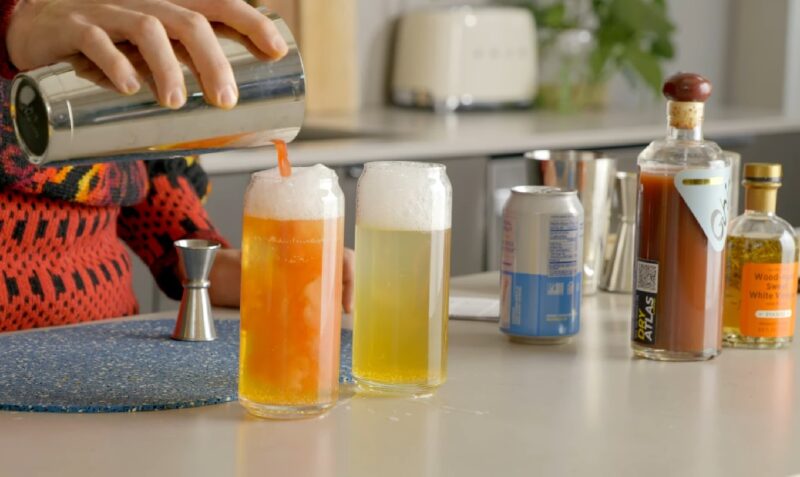
Radler combines beer with sparkling lemonade or grapefruit juice, creating a citrus-bright and lower-alcohol German drink ideal for warm weather.
Lightness makes it an easy option for those who enjoy beer flavor but prefer something less strong.
Name connects to a 1922 story involving cyclists, since “radler” translates to cyclist in German. Radler became associated with outdoor activity, making it especially popular during summer gatherings, bike rides, and festivals.
Key features make Radler stand out as an easygoing choice:
- Lower alcohol strength compared to regular beer
- Sweet citrus flavor balanced with beer notes
Beer gardens, casual afternoons, and seasonal events often include Radler as a refreshing German drink that offers a smoother alternative for anyone wanting something lighter and more playful.
6. Jägermeister (Herbal Liqueur and Cocktails)
Jägermeister remains one of Germany’s best-known herbal liqueurs worldwide and a famous German drink served in many ways.
Bold flavor comes from a mixture of herbs, spices, and sweetness that creates a distinctive taste instantly recognizable to many drinkers.
Traditional style includes serving it chilled or poured over ice, allowing herbal depth and spice notes to come through clearly. Many people enjoy it as a shot, while others prefer sipping it slowly to appreciate its complexity.
Modern cocktail culture has expanded its presence far beyond the classic shot. Popular mixed options include:
- Jägermeister Mule, combining ginger beer with sweet-spice herbal flavor
- Other creative cocktails that soften its bold herbal profile
Jägermeister continues to hold an important role in German drinking habits, both as a traditional liqueur and as a versatile ingredient in cocktails enjoyed worldwide.
7. Bavarian Coffee (Cocktail)
Bavarian Coffee offers a dessert-style cocktail often enjoyed as an after-dinner German drink. Coffee liqueur pairs with peppermint schnapps, creating a warm and spirited combination that feels indulgent and comforting.
Sweetness and mint freshness work together, making Bavarian Coffee especially appealing during colder evenings or as a finishing touch after a meal.
Whipped cream adds an extra layer of richness, giving the drink a presentation similar to a dessert served in a glass.
Serving style plays a major part in its appeal, since presentation often includes:
- Whipped cream topping for a dessert-like touch
- Warm coffee notes balanced by peppermint spice
Bavarian Coffee remains a memorable German drink for anyone who enjoys sweet cocktails with bold flavors and a satisfying after-dinner warmth.
In Conclusion
German drinking culture includes far more than beer alone. Weißbier and Altbier deliver iconic brewing traditions, while Glühwein brings winter comfort.
Apfelschorle and Radler offer refreshing mixers for everyday enjoyment. Jägermeister adds herbal depth through shots and cocktails, while Bavarian Coffee serves as a satisfying dessert drink.
Every German drink on this list provides a strong starting point for discovering German favorites at home or during a visit.