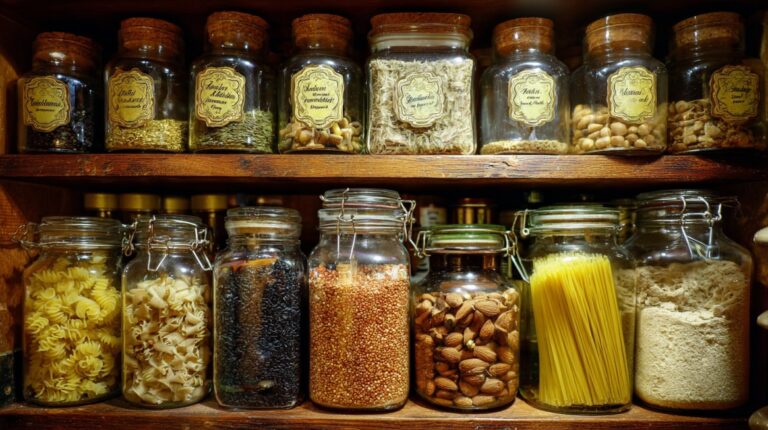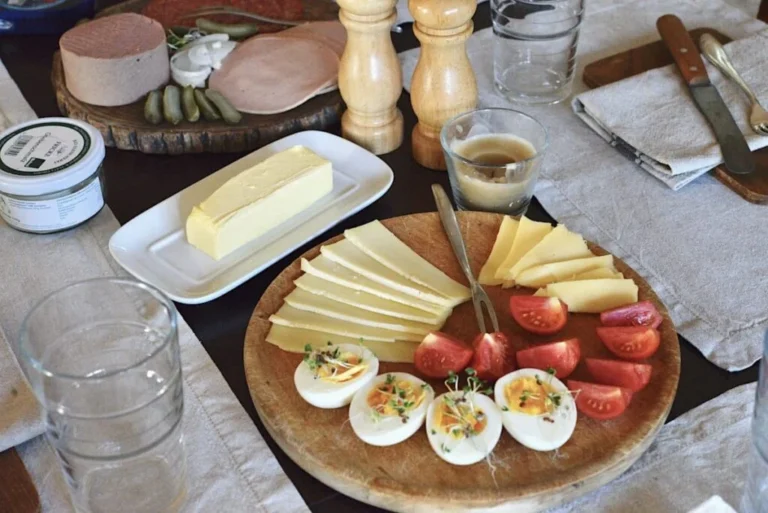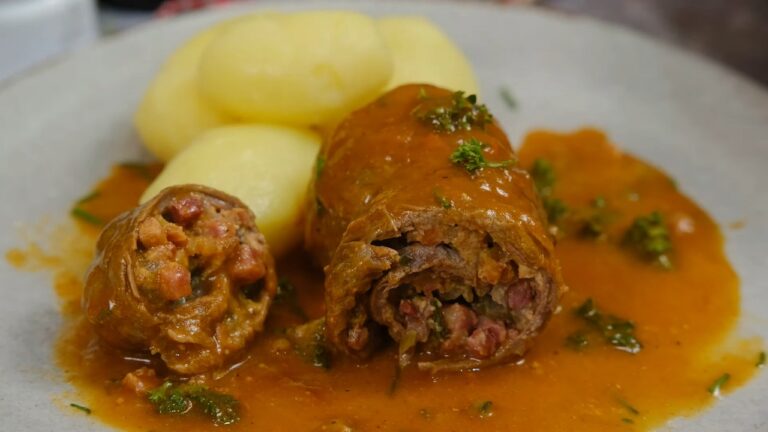
German pantry staples deserve attention for their focus on quality, tradition, and everyday practicality. Food culture across Germany values ingredients that last well, serve multiple purposes, and support home cooking routines built around comfort and consistency.
German kitchens rely on a balance of fermented foods, condiments, baked goods, and sweets that fit both casual meals and classic dishes such as sauerkraut-based plates, schnitzel dinners, and potato-focused recipes. Availability of these products in the United States has expanded significantly, making home access easier than ever.
Readers gain a clear list of essential pantry items along with practical information on where to purchase them stateside, making it simple to stock a German-inspired pantry without international travel.
1. German Mustard (Senf)
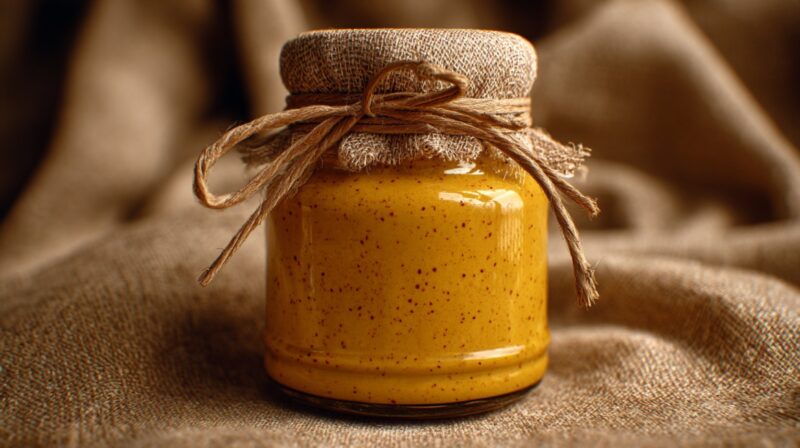
German mustard holds an everyday role in home kitchens and at the table, often treated as both a condiment and a cooking ingredient. Flavor intensity varies widely across regions, which allows cooks to choose options that suit simple meals or more traditional plates.
- Mild table mustard meant for sandwiches and sausages
- Sharper varieties are used in cooked dishes and sauces
- Sweet regional mustards associated with southern Germany
Händlmaier Bayerisch Süßer Hausmachten reflects Bavarian preferences for sweetness and texture. Sausage pairings remain common, though usage also extends into casual meals such as sandwiches, hot dogs, and cold salads.
Salad dressings and potato-based recipes often rely on mustard to balance vinegar and fat without overpowering other ingredients.
- European specialty stores
- Online import retailers and Amazon
2. Sauerkraut and Pickled Favorites
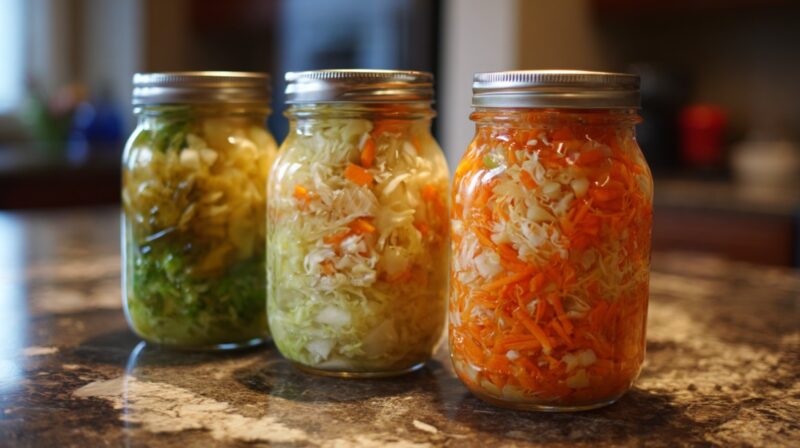
Sauerkraut functions as a fermented cabbage staple tied closely to everyday German cooking. Preparation focuses on fermentation rather than heavy seasoning, which results in a tangy and savory profile suitable for warm meals.
Serving patterns often place sauerkraut next to proteins or mixed into cooked dishes. Common pairings include sausages, roasted meats, and slow-cooked meals designed for colder seasons.
- Classic cucumber pickles
- Mustard pickles known as Senfgurken
- Lightly spiced vegetable mixes preserved in vinegar
Flavor profiles lean sharp and savory, often softened by mild sweetness or mustard seed notes. Shoppers in the United States can locate these items without difficulty through international retail channels.
International grocery stores and online importers carrying German brands provide the most consistent access.
3. Spaetzle and Dry Pasta Alternatives
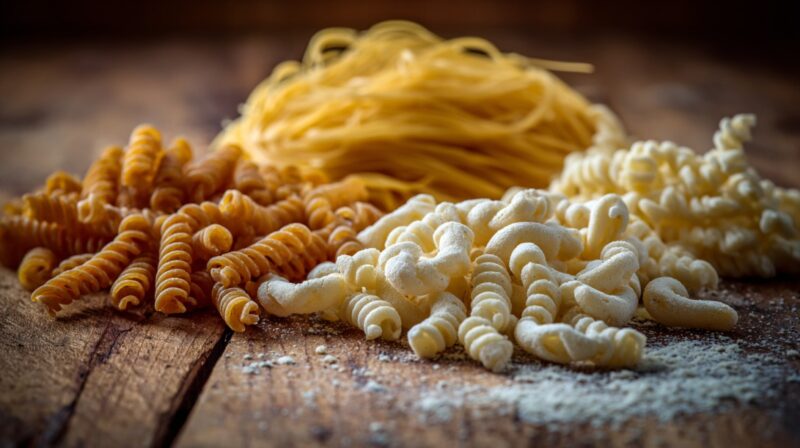
Spaetzle serves as one of the most recognizable noodle styles associated with German meals. Texture remains soft and tender, allowing sauces and gravies to cling easily.
Usage tends to favor side dishes rather than standalone meals. Roasted meats, creamy sauces, and pan gravies commonly appear alongside spaetzle, especially during traditional dinners.
Preparation methods vary, yet convenience options now make home use far more accessible. Boxed spaetzle mixes allow cooks to recreate familiar textures without specialized tools or techniques.
Imported boxed spaetzle mixes and specialty international markets represent the most reliable purchasing options in the United States.
4. Knäckebrot, German Breads, and Crispbreads
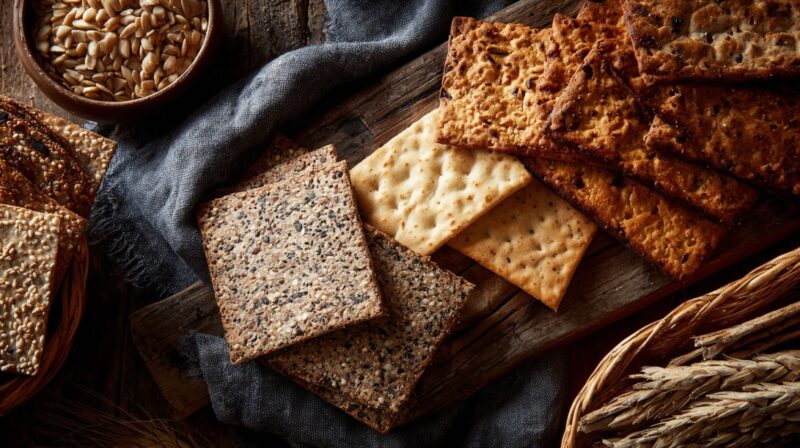
Knäckebrot is a traditional German crispbread known for its long shelf life and high whole grain content
Crispbreads, Bauernbrot, and rye-based breads remain common in northern European diets and appear regularly in German food habits. Shelf stability and versatility make these products practical pantry additions.
Knäckebrot pairs well with a wide range of toppings, which encourages flexible meal use.
- Cheese and butter
- Cured meats or fish
- Simple spreads or preserves
Health-focused shoppers often gravitate toward crispbreads due to their texture, portion control, and minimal ingredient lists.
European grocery sections and health or organic stores carrying imported crispbreads offer consistent availability.
5. Classic German Chocolate and Sweets
@dw_berlinfresh It’s that time of year! 🎄🍫🎅 #berlin #germany #christmas #christmassweets #germanchristmas #cultureshock #lifeabroad #holidayseason ♬ Christmas song “Let’s decorate” – 3KTrack
German confectionery maintains a strong presence across grocery shelves and gift selections. Chocolate bars, wafers, and filled candies favor balanced sweetness rather than intense sugar levels.
Popular brands such as Kinder and Leibniz biscuits appear frequently, along with marzipan-based chocolates that hold seasonal and everyday roles.
- Individually wrapped chocolate bars
- Biscuit packs intended for coffee breaks
- Filled chocolates featuring marzipan centers
International aisles at larger supermarkets and online specialty candy retailers provide dependable access throughout the year.
6. Marzipan and Specialty Sweet Ingredients
Marzipan consists of finely ground almonds mixed with sugar, shaped into blocks, rolls, or decorative figures. Baking traditions rely heavily on marzipan for structure, flavor, and presentation.
Usage appears most often in baked goods associated with holidays and special occasions, including stollen and simnel-style cakes.
Home cooks also shape marzipan into truffles or molded sweets for desserts and table decorations.
European import shops and baking aisles featuring international or seasonal items offer the best sourcing options in the United States.
7. Snacks and Beverages with German Character
Snack selections found in German supermarkets often focus on savory seasoning rather than sweetness. Curry, paprika, and roasted nut flavors dominate many popular items.
- Currywurst-flavored chips
- Peanut puffs
- Nic Nacs seasoned nuts
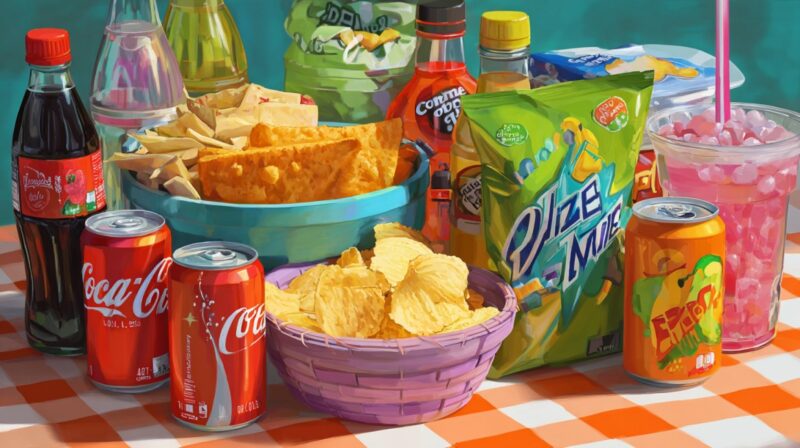
Non-alcoholic beverages also hold a noticeable place, especially soda-style drinks that mix flavors creatively. Spezi, Mezzo Mix, and Bionade combine cola, citrus, or lightly fermented elements for refreshing alternatives to standard soft drinks.
International markets and online snack import suppliers serve as primary sources in the United States.
Where to Shop for German Pantry Staples in the US
Online retailers dedicated to German and European groceries make it easy to order authentic pantry items and have them delivered directly to your door.
- GermanDeli.com offers a broad selection of authentic German and European foods shipped nationwide.
- One Stop German Shop carries a wide range of German groceries, including sweets, sauces, sauerkraut, mustard types, spaetzle, and more, all delivered from within the US for faster arrival.
- The Taste of Germany supplies hard-to-find German products and specialty ingredients online with a catalog of imported items for everyday use or special occasions.
- Yummy Bazaar maintains a Germany-specific section with gourmet foods, snacks, jams, and other pantry staples available for delivery.
Local international grocery stores often stock German condiments, baked goods, chocolates, and imported pantry items, giving shoppers the chance to pick products in person.
- Lehr’s German Specialties in San Francisco, CA, has been known for decades of specialty German groceries and snacks.
- German Gourmet in Falls Church, VA, offers imported German and European foods at a well-reviewed gourmet grocery.
- European Food Express, the biggest European grocery market online in Elk Grove Village, IL, provides a broad range of European pantry staples.
- Euro Deli & Market in Colorado Springs, CO, with highly rated European imports.
- Local directories such as GermanFoods.org list regional retailers by state carrying German or German-style food products.
Large supermarket chains also occasionally carry German products through seasonal events or regular private-label offerings.
For example, Aldi’s “Deutsche Küche” line brings sauerkraut, spaetzle, pretzels, and other German-inspired foods into many US Aldi stores at various times of the year, including special “German Week” promotions.
Summary
German pantry staples bring practical value and recognizable flavors into home kitchens.
Mustards, pickles, noodles, sweets, and snacks support both everyday meals and traditional recipes.
Accessible availability across the United States allows food lovers to engage with German food culture through shelf-stable products.
Many items also work well as gifts or conversation pieces, making them useful additions well outside cooking alone.