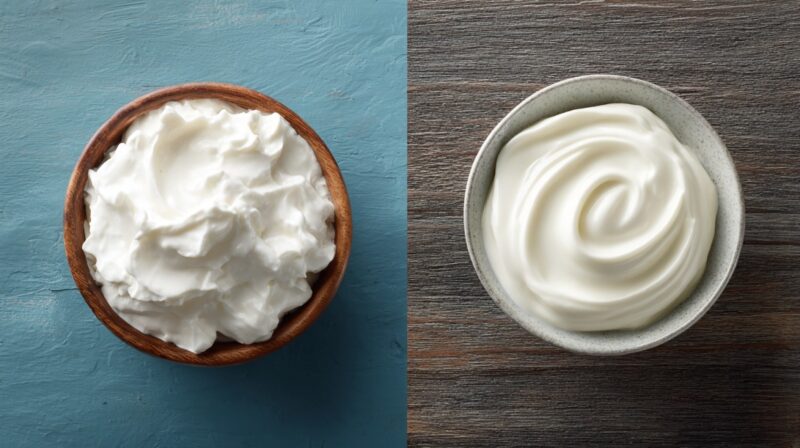
Fermented and cultured dairy foods like quark and yogurt have become popular choices for breakfast, snacks, and healthy recipes.
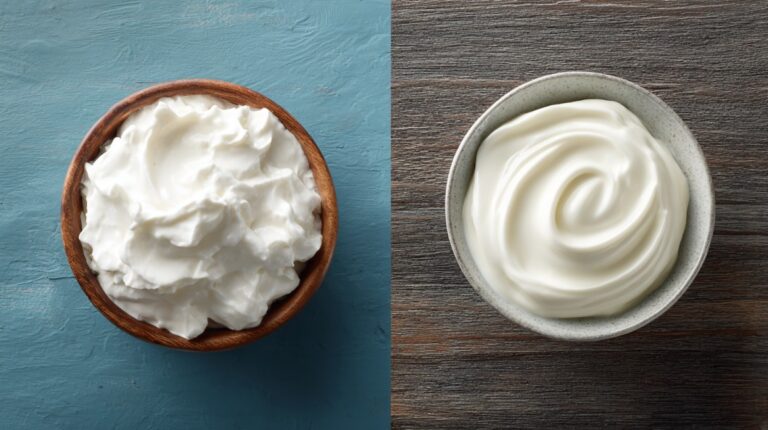
Both look similar at first glance, which often leads people to confuse quark with yogurt, cottage cheese, or other creamy dairy products.
Important differences exist in how each one is made, how they taste, and what nutrition they provide.
Clear comparisons help readers choose the best option based on dietary goals, flavor preferences, or cooking needs.
What are the Key Differences in the Production Process?
| Nutritional Factor (per 100 g) | Plain Natural Yogurt (Approx.) | Quark (Approx.) |
|---|---|---|
| Calories | ~70 kcal | ~61 kcal |
| Protein | ~4.5 g | ~11 g |
| Carbohydrates (mostly sugar) | ~5.8 g | ~3.7 g |
| Fat | ~3.2 g | ~0.2 g |
| Salt | ~0.16 g | ~0.10 g |
| Calcium | ~155 mg | Similar levels (varies) |
| Typical Protein Range | Greek yogurt: ~5–7 g | ~12.5–14 g |
| Sugar & Lactose | Higher on average | Often lower |
| Fat Range by Type | Varies by style | ~1% up to ~40% (with cream) |
| Sodium | ~77 mg | ~40 mg |
| Micronutrients | Calcium + vitamins | Calcium + vitamins A, K, B (varies) |
| Probiotics | Higher with live cultures | Fewer live cultures after straining |
@josefine.rxo Replying to @Allie Johnson all the coaches here are swearing on it!!!! It’s like thick yoghurt #athlete #trackandfield #track #sprinter #sport #shinsplints #injured #quark ♬ I think you should treat yourself – Luke Franchina
The main difference comes down to structure: quark is made through an acid-set curdling method that forms cheese-like curds, while yogurt develops through controlled fermentation using defined bacterial cultures.
For starters, quark is created by warming soured milk until curds begin to form. Once curdling occurs, curds are strained away from the liquid whey. The result is a fresh, acid-set cheese with a smooth and creamy consistency.
Lactic acid bacteria play a role in the process, but cultures are usually different compared with yogurt. Certain varieties also include added cream, which can change the fat level and thickness. Quark remains especially popular in Germany, Austria, Switzerland, and other European regions.
On the other hand, yogurt is produced through fermentation with specific live bacterial cultures, most commonly Lactobacillus bulgaricus and Streptococcus thermophilus. Milk is incubated until bacteria thicken it naturally, creating yogurt’s tangy flavor and soft texture.
Some styles, such as Greek yogurt, go through an additional straining step that removes whey and concentrates protein.
Taste and Texture Comparison
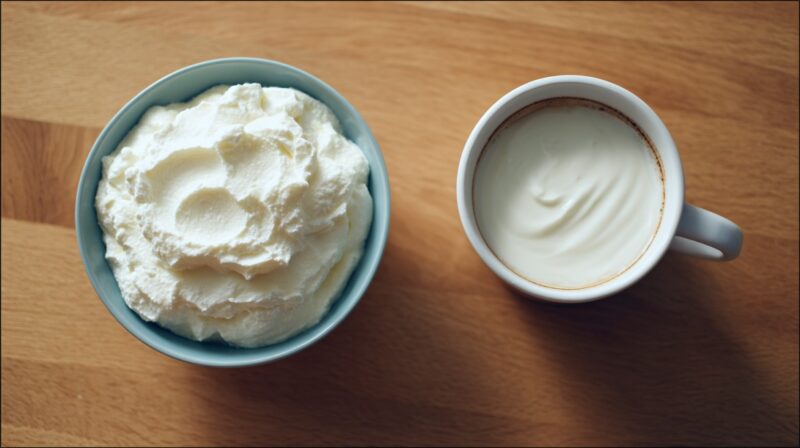
Quark and yogurt share a similar creamy appearance, yet the eating experience can feel quite different once flavor and texture are compared side by side.
Quark has a mild, soft taste with only a gentle tang. Acidity stays lower than most yogurts, so the flavor feels smoother and less sharp. Many people describe quark as closer to a fresh cheese than a fermented dairy product.
Texture is thick, rich, and creamy, often resembling Greek yogurt but with an even softer and silkier consistency. Quark spreads easily, which makes it feel more like a dairy spread than a spoonable fermented snack.
Yogurt has a more pronounced tang because fermentation produces more acid. Flavor can range from lightly sour in mild varieties to strongly sharp in longer-fermented options. Texture also depends heavily on style.
Drinkable yogurts are thin and pourable, while standard yogurts stay soft and spoonable. Greek yogurt and strained yogurts become much thicker, sometimes approaching the density of quark, but the tangy taste remains stronger.
Taste preference often becomes one of the deciding factors. Quark suits people looking for a creamy dairy option without heavy acidity, while yogurt works well for those who enjoy a brighter fermented flavor.
Culinary Uses
Kitchen uses for quark and yogurt overlap in many ways, though each one has strengths in different types of recipes.
Quark
@pollypocketsy If you’ve never tried German quark balls before let me show you how to make them since they are so delicious and fluffy. Ingredients Whisk 250 grams quark or / creamy cottage cheese or ricotta with 3 eggs 2 tbsp vanilla sugar and 40 grams regular sugar . Whisk 250 grams Flour with 1 pack 15 g baking powder then sift into the wet ingredients . Stir until everything is combined then put into a piping bag. Use a scissors to snip balls of the mixture into hot oil. Don’t overcrowd the pan and don’t have the oil to hot . Medium heat keep them rolling until they are a deep golden brown all over . To finish toss in cinnamon sugar or sugar . Enjoy #dessert #german #tasty #easyrecipe ♬ original sound – Pollypocketsy
Quark is often eaten in the same way as yogurt, paired with fruit, honey, or muesli as a high-protein breakfast or snack. Baking applications are especially common.
Cheesecakes, pancakes, pastries, and other desserts benefit from quark’s thick consistency and mild flavor. Smooth texture also makes quark an excellent base for dips, spreads, salad dressings, and creamy fillings in both sweet and savory dishes.
Frozen quark can even be used as a lighter ice cream-style alternative because it keeps a creamy structure without needing heavy cream.
Yogurt
@thismumcooks How I ended up with a full pot of leftover yogurt I will never know! But these things happen. However, I won’t waste any food so I decided to make 2 different recipes using the pot of yogurt (you could have frozen this though). First off I completed the Senses Test, ‘looks fine, smells fine, tastes fine’, just to make sure! Blueberry Yogurt Loaf 200g Self Raising Flour 200g Sugar 120g Butter 250g Greek Yogurt 3 Eggs 1/2 tsp Vanilla Extract 200g Blueberries Combine all of the ingredients except the Blueberries. Sprinkle the Blueberries with a little flour. Pour the mixture into 2 lined loaf tins. Sprinkle over the Blueberries and stir through. Bake on 180°c for 50 minutes. Allow to cool and Enjoy. Store in an airtight container for 3-4 days or freeze for up to 3 months Yogurt Scones 250g Self Raising Flour 1 tbsp Sugar 1 Egg 150g Greek Yogurt 50g Butter Combine the flour, butter and sugar to form breadcrumb. Mixture the egg with the yogurt. Stir through as much of the yogurt to the breadcrumbs as is required to form a dough. Do not knead. Shape into scones, brush with the remaining yogurt mixture. Bake on 180°c for 12-14 minutes. Leave to cool and enjoy. Store in an airtight container for 3-4 days or freeze for up to 3 months. #blueberries #leftovers #savingfood #yogurt #scones ♬ original sound – This mum cooks
Yogurt is widely used in everyday meals. Breakfast bowls, smoothies, parfaits, and simple toppings are some of the most common uses.
It also plays an important role in sauces and marinades, especially in cuisines where acidity helps tenderize meats or balance spices.
Baking recipes often use yogurt to add moisture while contributing a slightly tangy taste.
Substitution between the two is often possible. Quark can replace cream cheese, sour cream, or yogurt in many dishes, but recipes may need added lemon juice or another acidic ingredient if yogurt’s sharper tang is expected.
Practical Considerations for Choosing
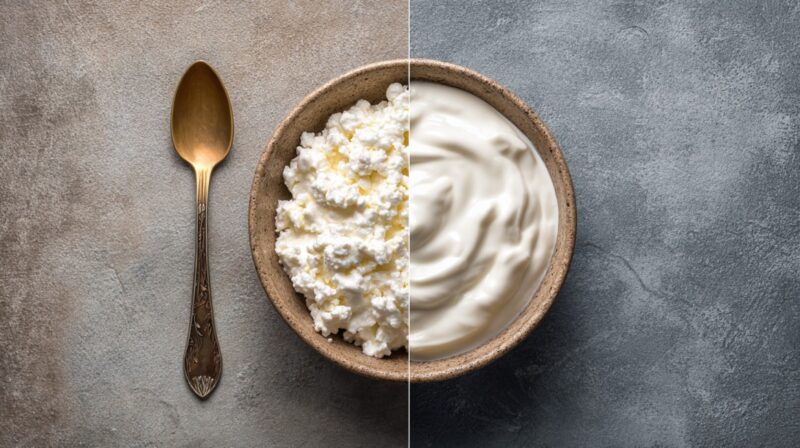
The choice between quark and yogurt often comes down to nutrition goals, digestion needs, flavor preference, and recipe plans.
Protein-focused diets often favor quark because it naturally delivers more protein per serving. Quark commonly provides around 12.5 to 14 grams of protein per 100 grams, which is significantly higher than many yogurts.
Gut health goals may lean toward yogurt, since live active cultures provide stronger probiotic support. Regular yogurt is typically richer in beneficial bacteria compared with quark, which often contains fewer live cultures after straining.
Acidity tolerance can also matter. People sensitive to sour flavors or higher acidity may prefer quark due to its milder taste.
Cooking purpose helps guide the choice as well. Quark performs especially well in baking, creamy spreads, and soft fillings. Yogurt remains more common for smoothies, breakfast bowls, sauces, and cold dishes where tanginess is desired.
Availability plays a practical role, too. Yogurt is widely accessible around the world, while quark continues to grow in popularity but may still be harder to find outside Europe or specialty grocery stores.
Both options fit easily into balanced eating, with the best pick depending on taste, nutrition priorities, and intended use in meals or recipes.
Summary
Clear differences separate quark and yogurt in production, nutrition, texture, and flavor.
Quark offers high protein levels and a mild creamy taste, while yogurt is favored for probiotics and its familiar tang.
Both can fit easily into balanced eating, with the best choice depending on nutrition goals, taste, and intended recipes.