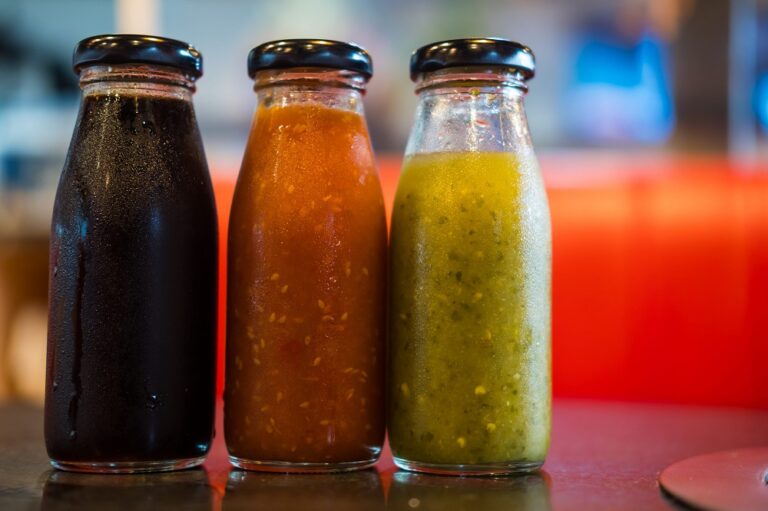
You have a sauce recipe that everyone seems to love. Friends ask for another jar, family members want the recipe, and someone has probably suggested that you start selling it.
So, why not give it a try?
A homemade hot sauce, barbecue sauce, garlic dressing, or special dipping sauce could become a small business. You do not need a restaurant or a huge product range to get started. You need a recipe people enjoy, a safe way to produce it, and customers willing to pay for it.
The interesting part is figuring out how to turn something you make in your kitchen into a product people can buy again and again.
Find Out If People Would Actually Buy Your Sauce

Compliments are encouraging, but paying customers tell you much more.
Start by asking people outside your family to taste your sauce. Give them a few options and ask which one they would buy. Find out what they would serve it with and how much they would expect to pay.
A spicy barbecue sauce might appeal to people who grill every weekend. A creamy garlic sauce might attract customers looking for something to serve with fries, chicken, or sandwiches.
The intended use helps you decide who your customers are.
Once you have checked the local rules for selling your product, test it at a farmers market, a food event, or another approved location. Selling a small number of bottles gives you an opportunity to hear what customers really think.
Pay attention to repeat buyers. Someone buying a second bottle is a much more encouraging sign than someone accepting a free sample.
Make Sure You Can Produce the Same Sauce Every Time
Making one delicious batch is a great start. Making 100 bottles that all taste the same is another challenge.
You need to record the exact quantities of every ingredient. Weighing ingredients is generally more consistent than measuring them with ordinary kitchen spoons.
Cooking time, temperature, and mixing methods also affect the finished product.
For example, a hot sauce made with fresh peppers might taste different depending on the peppers you use. A barbecue sauce could become thicker after a longer cooking time.
Document your recipe carefully and test larger batches before making promises to customers.
Your goal is to give someone the same flavor they enjoyed when they bought their first bottle.
Check the Food Safety Rules Before Selling
A homemade sauce is not automatically safe to bottle and sell.
The ingredients, acidity, preparation method, packaging, and intended storage temperature all affect the rules you need to follow.
Some sauces need refrigeration. Others can be made shelf stable through a properly established commercial process. You should never assume that adding vinegar or boiling a bottle makes a sauce safe to store at room temperature.
The FDA requirements for starting a food business explain that manufacturers must follow applicable federal rules alongside state and local requirements.
Certain shelf stable acidified sauces also fall under specific FDA manufacturing and process filing requirements. A qualified food processing specialist can help determine which rules apply to your recipe and establish a safe production process.
Home food business laws vary by state. Before spending money on hundreds of bottles, contact the appropriate local food safety or agriculture department.
You might need an approved commercial kitchen, product testing, permits, or a commercial manufacturer.
Getting the production requirements sorted out early will prevent expensive mistakes later.
Give Your Sauce a Name People Will Remember

A delicious sauce deserves packaging that makes people interested enough to try it.
You do not need an expensive branding agency to get started. A simple name, a clean label, and a clear description of the flavor are enough for an initial product.
Imagine two bottles sitting next to each other.
One has a complicated design that barely explains what is inside. The other clearly says Smoky Garlic Hot Sauce and tells customers what kind of food it goes with.
The second bottle gives shoppers useful information immediately.
Think about the size of the bottle, too. A small bottle might work for a particularly hot sauce that people use a few drops at a time. A larger bottle could be more suitable for everyday barbecue sauce.
Your label must also meet applicable food labeling requirements, including ingredient and allergen declarations, net quantity, and other required information. Some small businesses qualify for limited nutrition labeling exemptions, but eligibility depends on their circumstances and product claims.
The FDA food labeling guide provides a useful starting point. Check the agency’s current allergen and nutrition labeling requirements as well, since parts of the older guide have been updated.
Before settling on a brand name, search for existing businesses and trademarks using similar names.
Work Out How Much You Need to Charge
One of the biggest mistakes when starting a food business is setting a price based only on ingredient costs.
Your sauce might cost little to prepare at home, but commercial production brings additional expenses.
Consider a hypothetical sauce business selling a bottle for $10.
| Expense per bottle | Example cost |
| Ingredients | $1.10 |
| Bottle, cap, and label | $1.30 |
| Production and kitchen expenses | $1.15 |
| Packing and payment processing | $0.80 |
| Total direct cost | $4.35 |
At a $10 selling price, the business has $5.65 left before advertising, shipping, storage, business overhead, taxes, and other expenses not included in the example.
That is not the final profit.
Shipping a single glass bottle across the country can eat into the amount left over. Selling through a retail store also changes the calculation because stores generally purchase products below the final shelf price.
Calculate your costs for each sales channel separately.
You might discover that selling three bottles together works better financially than shipping individual bottles.
Start Selling Locally Before Going Nationwide
A nationwide food brand sounds exciting, but there is no need to start with thousands of bottles.
Once your product meets the necessary food safety and sales requirements, try building a customer base close to home.
Independent grocery stores, specialty food shops, and local restaurants are useful places to approach.
Bring samples, explain what makes your sauce interesting, and be prepared to discuss your wholesale price.
A restaurant might want to use your sauce with one of its dishes. A local store might agree to test a small quantity on its shelves.
You could also sell directly through your own website.
Keep track of the flavors customers buy, how quickly stock sells, and which buyers return.
Early sales will tell you much more about your business than simply ordering a large quantity of attractive packaging.
Find a Way to Handle Online Orders Without Spending All Day Packing Bottles
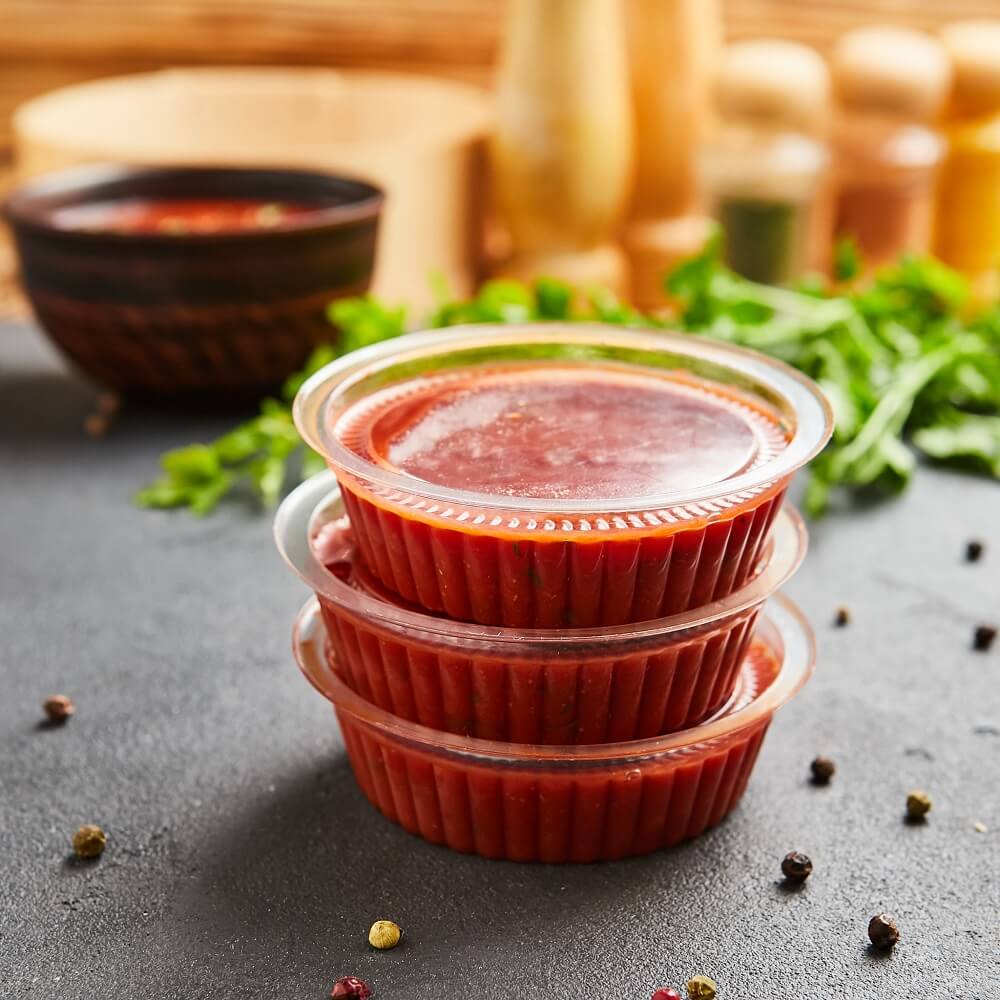
Online sales give a small sauce brand access to customers outside its immediate area.
You could sell individual bottles, offer a selection of different flavors, or create gift packages for holidays and special occasions.
A three-bottle set featuring mild, medium, and extra hot sauces is one way to encourage customers to try several products.
As orders increase, however, packing everything yourself can become a demanding job.
You need to keep stock organized, protect bottles against damage, prepare shipping labels, and ensure customers receive the correct items.
For a business selling several sauce flavors or gift sets, a warehouse kitting service and fulfillment provider can help assemble multipacks, prepare packages, store inventory, and ship customer orders. Dollan Prep Center offers these services for ecommerce businesses, although sauce sellers would first need to confirm that their products are accepted and that the required food storage conditions can be met.
Fulfillment costs should be included in your pricing calculations before deciding to outsource.
Glass bottles also need suitable protective packaging. A few broken bottles can quickly turn a profitable order into an expensive problem.
For sauces that require refrigeration, you will need a shipping and storage arrangement designed for temperature-sensitive food rather than ordinary warehouse fulfillment.
Give People a Reason to Buy Your Sauce Again
Getting someone to try your sauce is exciting. Convincing them to buy another bottle is what helps build a lasting business.
A sauce that tastes fantastic but sits untouched in the refrigerator for six months will probably struggle to generate repeat sales.
Think about how people use your product. If you sell barbecue sauce, share a few simple ways to use it with grilled chicken, ribs, burgers, or roasted vegetables.
If you make a spicy garlic sauce, show customers how it works with sandwiches, fries, or homemade kebabs.
Short cooking videos, recipe cards, and serving suggestions give customers ideas for using the entire bottle.
You could include a small recipe card with every order. Customers might discover a new use for the sauce and come back sooner for another bottle.
Ask satisfied buyers for genuine reviews, too. Their comments can help you learn which flavors deserve more attention and which ones need improvement.
Add New Flavors Only When Customers Want Them
Creating new sauces is probably one of the most enjoyable parts of the business. Every new flavor also creates additional work.
More ingredients, bottles, labels, production batches, and inventory records all increase costs.
Start with one sauce that people genuinely enjoy. If it begins selling consistently, introduce a second flavor that serves a different purpose.
For example, a brand might start with a smoky barbecue sauce and later introduce a hotter version. Another business might add a milder sauce for customers who enjoy the original flavor but find it too spicy.
Small test batches can help you judge demand before committing to a full production run. Any recipe change may also require another food safety assessment.
There is no need to launch ten different sauces just because you know how to make them.
Start With One Sauce and See Where It Takes You
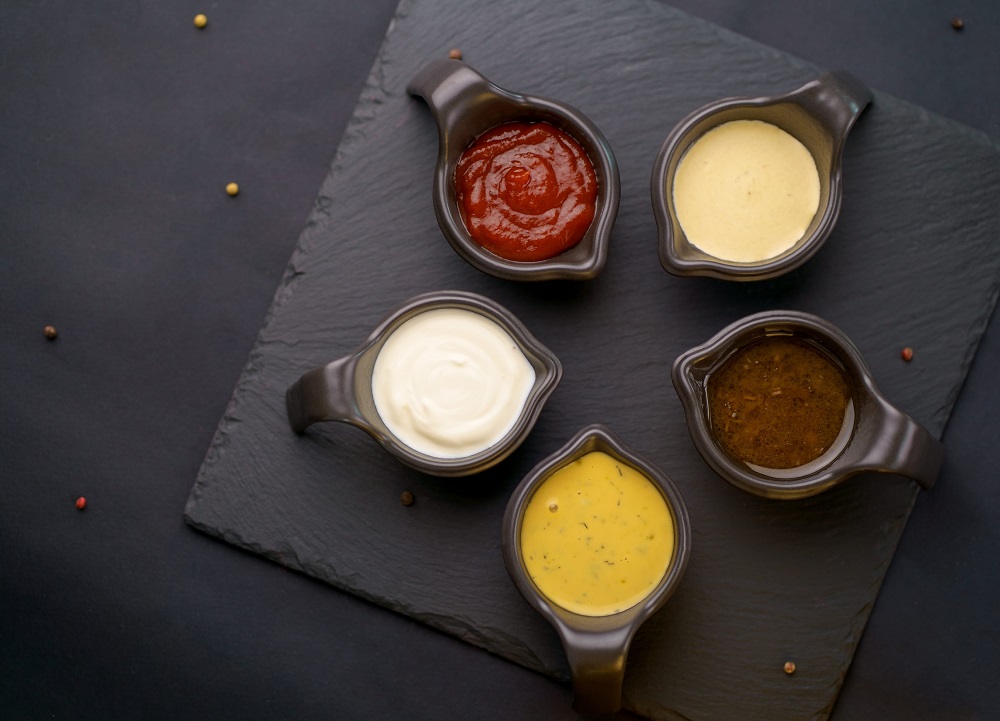
Think about the sauce you already make better than anything else. What do people love about it? Is it the heat, the smoky flavor, the sweetness, or something unusual that they cannot easily find in stores?
Start there.
Write down the recipe, find out what legal production requires, calculate the selling price, and test the finished product with paying customers.
You might begin by selling a few bottles at a local market. Over time, a successful sauce could find its way into nearby restaurants, independent grocery stores, and online orders across the country.
Not every homemade recipe will become a profitable business. But if people enjoy your sauce enough to keep buying it, you have something worth building on.