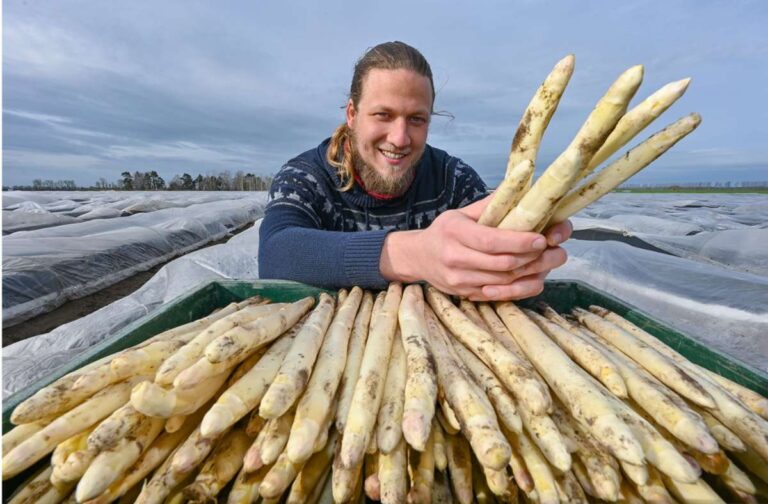
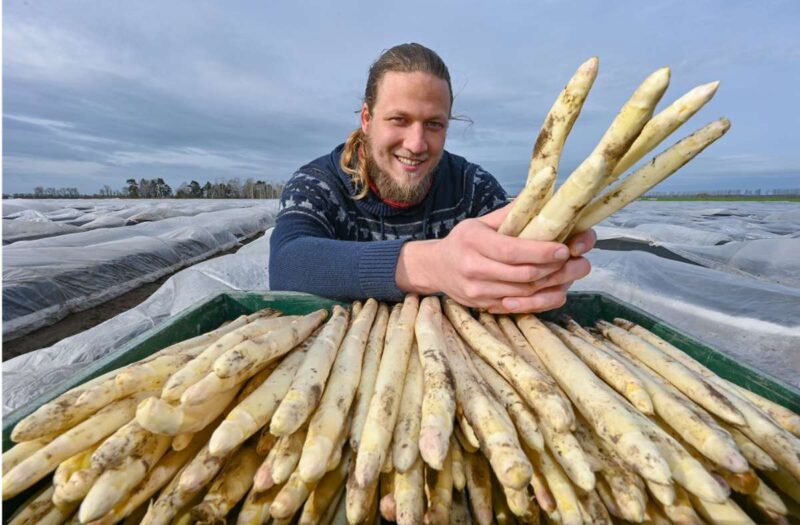
Spargelzeit translates to “asparagus time” and refers to the treasured white asparagus season in Germany. German markets, restaurants, and households treat this period as one of the most anticipated moments of spring.
Seasonality shapes everyday life during these weeks, as white asparagus becomes the centerpiece of meals and gatherings.
The season typically begins in mid-April and ends every year on June 24, known as St. John’s Day.
Seasonal scarcity helps explain why Spargelzeit holds such a powerful place in German life, combining food tradition, anticipation, and spring celebration into one cherished annual moment.
Let us see why it is so important for locals.
Why Do Germans Love White Asparagus So Much?
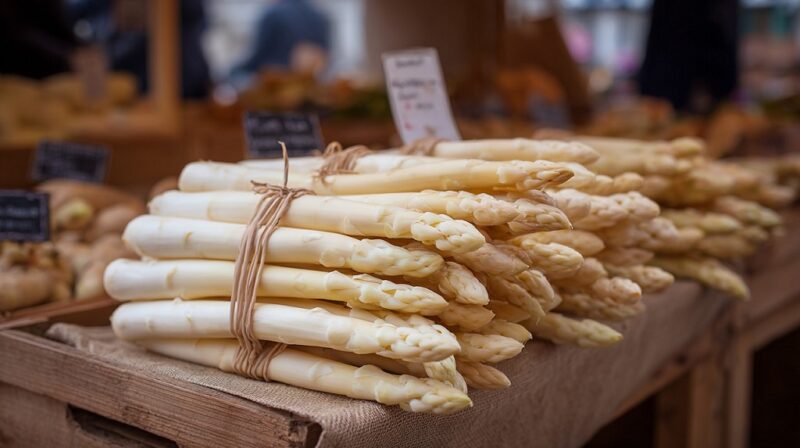
White asparagus arrives as one of the first fresh vegetables of the year, making its appearance closely tied to the first real signs of spring.
Seasonal excitement grows each year because people see Spargelzeit as a reward after months of winter food staples. Short availability increases anticipation, since the season lasts only a limited stretch and then disappears again until the next year. Official timing creates an annual rhythm that many Germans follow closely.
Key calendar details shape the cultural timing of Spargelzeit each year:
- Season usually begins in mid-April
- Season always ends on June 24, St. John’s Day
Restaurants across Germany treat Spargelzeit as a culinary event rather than just a seasonal ingredient. Menus often shift dramatically, placing white asparagus at the center of spring dining.
Chefs rely on traditional pairings that allow the mild flavor to remain the focus, while also offering regional variations that keep the season exciting year after year.
Common dishes served during Spargelzeit often include classics such as:
- Steamed white asparagus with melted butter
- Spears paired with boiled new potatoes and ham
- Plates finished with Hollandaise sauce
- Regional specialties served alongside schnitzel
Family life also becomes closely tied to Spargel season, since many gatherings revolve around special asparagus meals. Easter tables, Mother’s Day lunches, and weekend dinners often feature large servings shared among relatives.
Restaurants fill with diners eating generous portions, creating a seasonal scene repeated across the country each spring. Outdoor traditions also play a role, as many people enjoy visiting countryside stands and buying asparagus directly from growers.
Springtime rituals connected to Spargelzeit often include activities such as:
- Bicycle trips to roadside farm stalls
- Fresh asparagus purchases straight from local huts
- Weekend meals centered on Spargel dishes
Economic importance adds another layer to Spargelzeit, since Germany ranks as the world’s largest producer and consumer of white asparagus. Domestic demand remains extremely high, with vast quantities eaten each year.
Certain farming regions have built strong identities around asparagus, attracting visitors and seasonal tourism.
Regional importance becomes clear in places known for asparagus cultivation:
- Beelitz near Berlin as one of the most famous growing areas
- Festivals celebrating harvest season and local agriculture
- Tourism focused on farm visits and seasonal events
- “Asparagus Queens” representing growers’ associations
Why Spargelzeit Matters in Germany
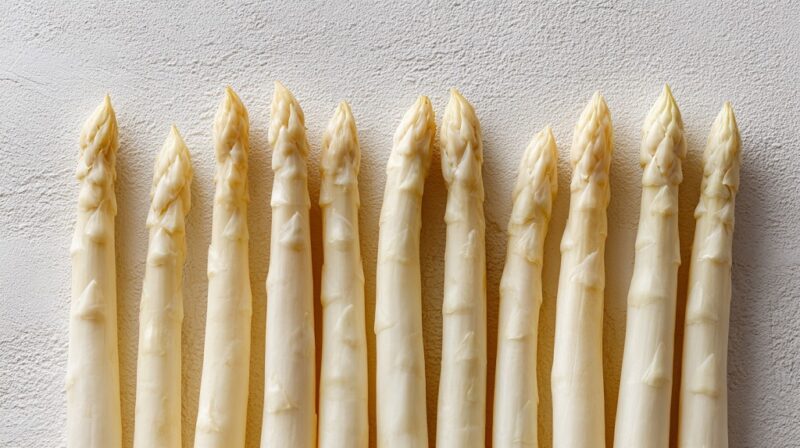
White asparagus, known as weißer Spargel, grows entirely underground, which keeps sunlight away and prevents chlorophyll formation. Pale stalks develop with a tender texture and mild flavor that many Germans consider more delicate than green asparagus.
Taste stays softer and less bitter, helping explain why it holds such a special role in German cuisine. Preparation also adds to its reputation, since peeling is always required before cooking, making it more labor-intensive than many vegetables.
Important characteristics of white asparagus connect directly to its cultivation process:
- Growth happens fully underground
- Absence of sunlight keeps stalks pale
- Flavor remains mild and less bitter than green asparagus
- Peeling becomes a necessary preparation step
Historical roots also shape the cultural value of Spargel. Asparagus carried prestige for centuries as a luxury vegetable tied to wealth and aristocracy. German cultivation expanded in the late 19th century, allowing more people to enjoy it while maintaining its high-status image.
Seasonal tradition became fixed with the June 24 endpoint, linking agriculture with the Christian feast of St. John the Baptist.
Cultural Identity and National Obsession
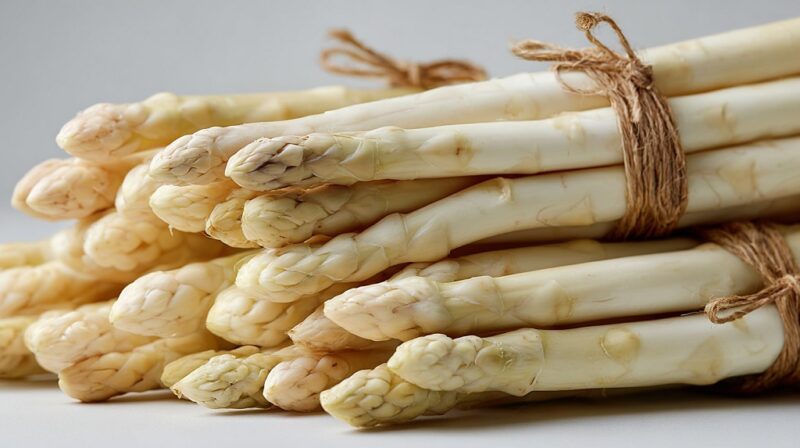
White asparagus holds a cultural role in Germany that goes far past simple seasonal eating. Strong affection surrounds it each spring, turning Spargelzeit into a national fixation that shapes restaurant culture, regional pride, and everyday conversation.
The name “white gold” (Weißes Gold) reflects how highly valued it is, since limited harvest weeks and labor-intensive production raise both prestige and price. Seasonal scarcity creates excitement because many people treat white asparagus as something to enjoy fully before it disappears again for another year.
Economic and cultural importance become clear in the sheer scale of consumption. Germany remains the world’s largest consumer and producer of white asparagus, with hundreds of thousands of tonnes eaten each year domestically.
Markets, farm stalls, and grocery stores dedicate major space to asparagus displays, showing how deeply demand is woven into springtime habits.
@heleneinbetween It is time… for spargel season. Germans adore their asparagus, they have statues to it! The town of Schwetzingen has an Asparagus statue. Come April, you’ll find green and white asparagus in everything. But a dish they love is boiled white asparagus topped with Hollandaise sauce. And if you really want to get into the spirit, celebrate Spargelzeit, asparagus festival throughout Germany. Some more fun facts about Spargel (because I know you wanted to know more) – Germans eat 125-140,000 tons of asparagus – It’s considered a royal vegetable and was first cultivated in the Schwetzingen palace garden in the middle of the 17th century – the season starts in mid april and ends abruptly on St. John’s day, June 24 because “when the cherries turn red the spargel is dead” – Schwetzingen Spargel festival takes place April 24 and there’s a competition for the fastest asparagus peeler I just love how Germans find a way to celebrate everything! #cultureshocks #expatlife #germany #spargel ♬ Blue Blood – Heinz Kiessling
Numbers tied to Spargelzeit help explain its national status:
- A German, on average, eats 3 pounds of white asparagus per year
- Production and consumption rank highest worldwide
Restaurant culture further strengthens this obsession. Seasonal menus often shift completely during peak weeks, with some establishments offering asparagus-focused meal sections or even full menus centered only on Spargel.
Dining out during Spargelzeit becomes a ritual, with diners seeking out traditional plates and new variations. Restaurants treat the vegetable as a seasonal star ingredient that defines spring dining across the country.
Preparation
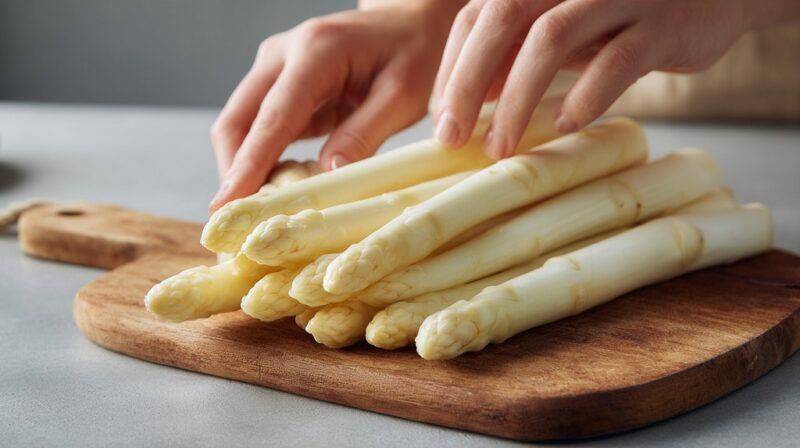
Serving traditions around Spargel reflect a deep respect for its delicate character. German cuisine often treats white asparagus as a seasonal treasure that requires careful cooking rather than heavy modification.
Simple preparation methods remain the standard, because steaming or boiling preserves the vegetable’s mild flavor and keeps its texture tender. Attention focuses on bringing out the gentle sweetness of the spears instead of overpowering them with strong spices.
Heavy seasoning is uncommon during Spargelzeit. Many Germans believe white asparagus tastes best when served in a clean and traditional style that allows the natural qualities of the vegetable to remain front and center.
Butter, light sauces, and potatoes provide balance without masking the asparagus itself, creating meals that feel both comforting and closely tied to springtime tradition. Serving Spargel often becomes an experience of simplicity and seasonal pride.
Classic pairings return year after year during the asparagus season, forming the heart of many spring meals. Common serving combinations often appear on tables across Germany each spring:
- Melted butter poured over freshly cooked spears
- Hollandaise sauce served as a centerpiece topping
- Boiled new potatoes and ham alongside asparagus
Many meals also follow a familiar rhythm, starting with carefully peeled asparagus, gently cooked until tender, then plated with soft potatoes and a rich sauce or butter. Ham often adds a savory contrast, while Hollandaise provides a creamy richness that has become one of the most iconic companions of Spargelzeit.
Preparation may look simple, but it carries strong cultural meaning, turning each plate into part of a seasonal ritual enjoyed throughout Germany.
The Bottom Line
Spargelzeit represents far more than a simple harvest season. Springtime in Germany becomes closely linked to the arrival of white asparagus, turning a vegetable into a cultural marker that shapes meals, social life, and seasonal identity.
Anticipation builds each year because Spargelzeit carries the feeling of renewal, signaling the shift away from winter and into warmer months filled with fresh local produce.
Seasonal ritual plays a major role, since people treat the short asparagus window as something to enjoy fully before it ends. Restaurants transform menus, families schedule shared meals, and markets fill with fresh spears that symbolize spring’s peak.
Limited availability strengthens its cultural status, because its disappearance after June 24 makes each season feel special and fleeting.