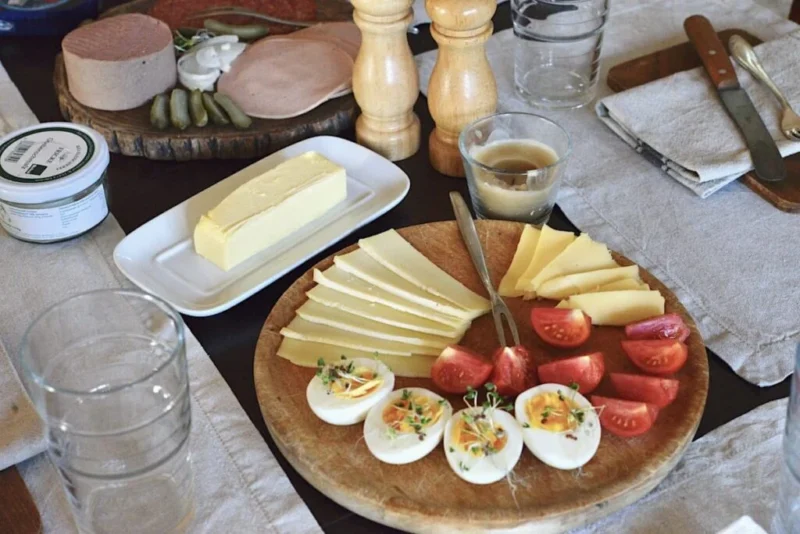
Evening bread, known in German as Abendbrot, describes a traditional dinner centered on bread and simple cold sides. Literal translation makes its meaning clear: “evening bread.”
Meals like this usually take place early, often between 5 and 7 PM, fitting neatly into common German daily routines. Bread remains the main focus, while toppings and accompaniments stay uncomplicated and cold.
Evening meals in Germany often differ greatly compared to cultures where dinner represents the largest cooked meal of the day. Abendbrot instead keeps preparation minimal, relying on quality ingredients rather than extensive cooking.
Contrast with broader dinner customs becomes clear through its simplicity, structure, and consistent presence in everyday household life.
Why Abendbrot Exists?
Daily German routines shaped Abendbrot across generations. Hot meals traditionally appeared at midday, leaving evenings reserved for something lighter and easier to prepare.
Reduced cooking after a long workday saved fuel, time, and effort, especially in working-class and agrarian households.
Practical advantages helped secure Abendbrot as an everyday standard.
Key factors behind its development include:
- hot lunches serving as the main cooked meal
- evenings focused on lighter food with no stove required
- efficiency valued in busy home schedules
- ingredient quality preferred over complex preparation
Simplicity became part of daily structure, reinforcing the habit of bread-centered dinners served without extensive labor. Long-standing traditions kept Abendbrot relevant as an efficient meal rooted in routine and balance.
What are the Essential Components of an Abendbrot?
Abendbrot meals may look different across households, yet several components consistently define the experience.
Bread remains the centerpiece, supported by a variety of toppings, spreads, vegetables, and simple drinks. Variety exists through choice rather than preparation.
Bread as the Centerpiece
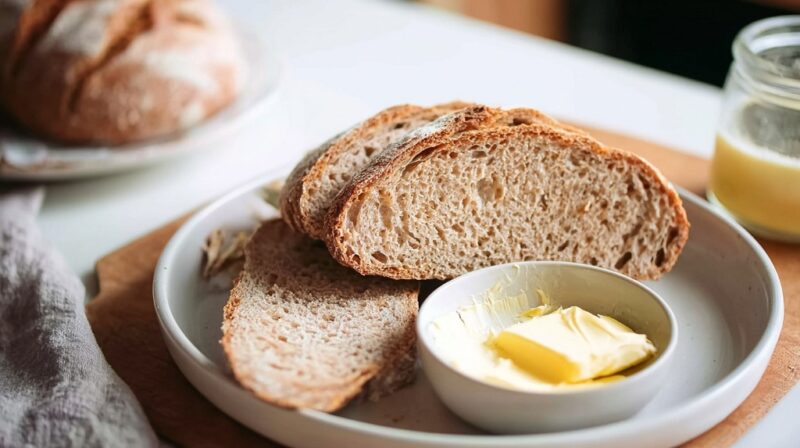
Bread defines Abendbrot rather than serving as a side. Rye loaves, sourdough, whole grain, and seeded breads appear most often. Fresh slices usually stay untoasted, forming the base of every plate.
Common bread varieties seen at Abendbrot tables include:
- rye bread
- sourdough
- whole grain loaves
- seeded breads
Meals depend on bread not only for structure but also for flavor, texture, and heartiness.
Cold Cuts, Sausages, and Fish
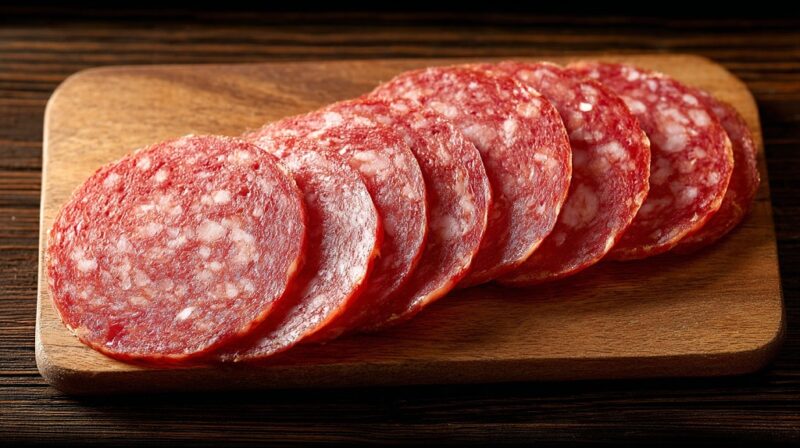
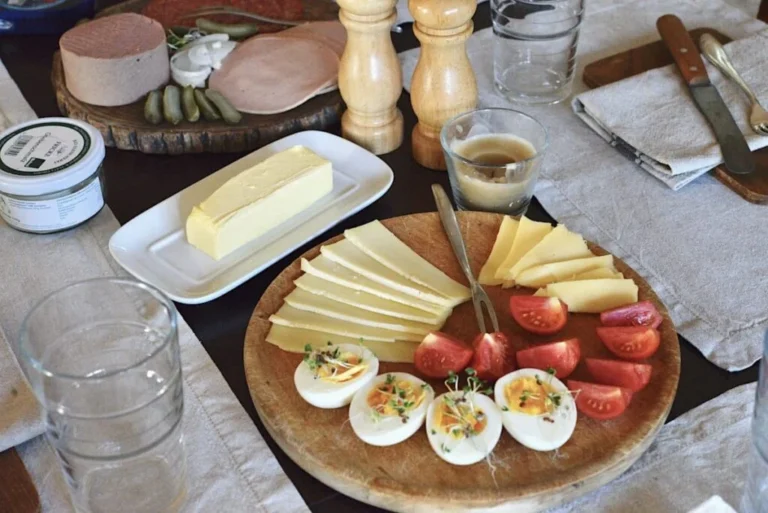
Meats provide protein and a savory contrast. Popular options include ham, salami, liverwurst, and smoked sausages.
Regional traditions sometimes add fish, especially in smoked or pickled form, keeping preparation simple while adding variety.
Typical choices often include:
- ham
- salami
- bratwurst or weisswurst
- smoked sausages
- smoked or pickled fish in certain areas
Cold serving remains essential, keeping Abendbrot consistent with its no-cooking purpose.
Cheese and Dairy
Cheese adds richness and softness, balancing salty meats and dense breads. Gouda, Emmental, Brie, Camembert, and Quark often appear as staples. Soft cheeses and dairy spreads work especially well for layering.
Common dairy selections include:
- Gouda
- Emmental
- Brie
- Camembert
- Quark
Cheese often serves as both a topping and a spread, offering flexibility across plates.
Spreads and Condiments
Spreads bring additional flavor and texture without effort. Butter and mustard remain staples at most tables. Other options include lard-based spreads, cheese spreads, tomato paste, and similar condiments.
Flavor additions often rely on:
- butter
- mustard
- lard-based spreads
- cheese spreads
- tomato paste
Simple condiments help keep Abendbrot satisfying without cooking.
Vegetables and Pickled Sides
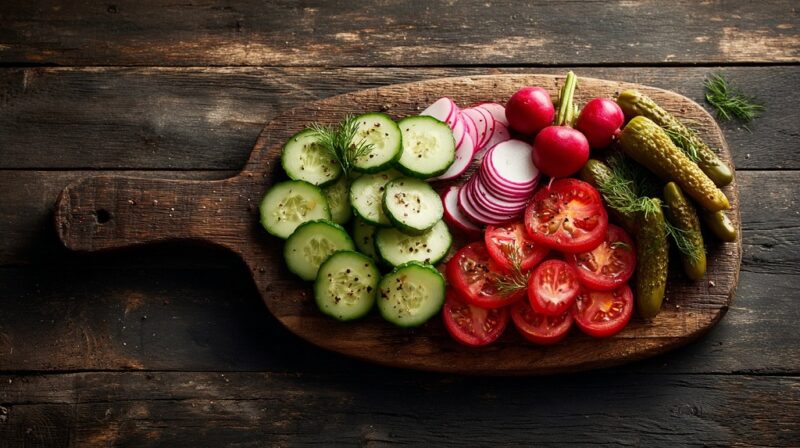
Fresh vegetables add crispness and balance. Cucumbers, tomatoes, radishes, and bell peppers appear frequently. Pickles and fermented vegetables bring sharp contrast alongside bread and meats.
Evening plates often include:
- cucumbers
- tomatoes
- radishes
- bell peppers
- pickles or fermented vegetables
Fresh and preserved sides keep the meal light while still varied.
Typical Beverages
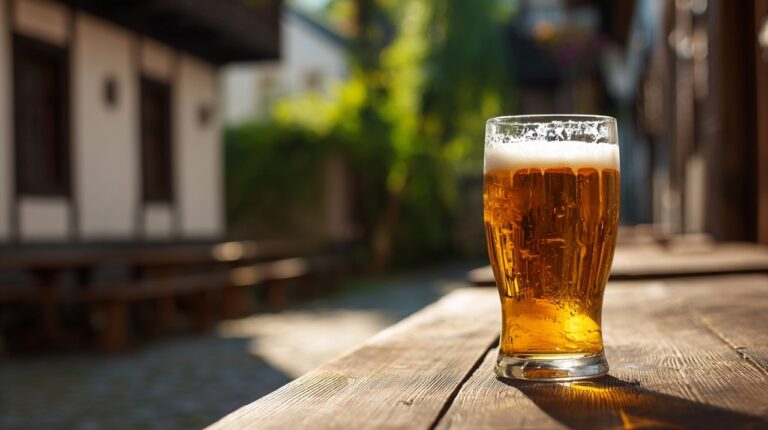
Drinks served with Abendbrot tend to stay simple. Mineral water, tea, or beer appear most commonly, fitting the everyday nature of the meal.
Options often include:
- mineral water
- tea
- beer
Beverages support the relaxed, practical tone of the evening table.
How Abendbrot Is Served at the Table
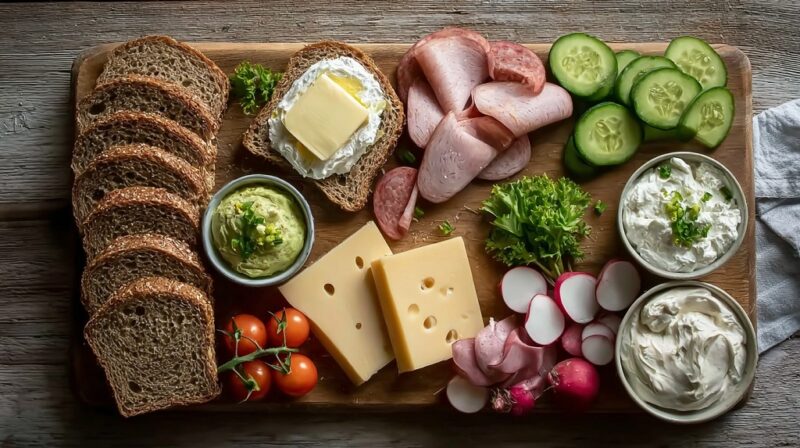
Serving style plays an important role in the Abendbrot tradition. Meals often appear family-style, with shared platters placed in the center of the table. Each person builds open-faced sandwiches individually, choosing toppings freely.
Typical table features include:
- shared platters instead of individual plates
- open-faced sandwiches assembled by each person
- minimal tableware focused on function
- no fixed order of eating
Flexibility replaces rigid recipes, allowing each meal to adapt to household preferences.
Timing and Role in the German Daily Meal Pattern
Abendbrot usually follows a substantial hot lunch, fitting into a meal rhythm shaped by early dining hours. Early dinners align with lighter eating later in the day, often making evenings less heavy and more relaxed.
Many households maintain Abendbrot as a weekday routine because it fits easily between work schedules and family time. Consistency remains one of its defining traits, especially in traditional home life.
Summary
Abendbrot reflects practicality and daily balance in German food culture.
Routine shapes its structure more than indulgence.
Bread-centered meals served with cold cuts, cheese, vegetables, and simple spreads continue to keep Abendbrot relevant in many homes today.